
Can a Freeze Damage Your Roof in Texas?
A single hard freeze rarely damages a sound roof in Fort Bend County. Our winters are short and the cold usually does not last. What a freeze does change is how the roof behaves for a day or two: asphalt shingles get stiffer and more brittle, and the wind that comes with a cold front can lift or crack tabs that were already tired. After a freeze, the useful move is a quick look for loose or damaged shingles, not a panic.
Want someone to look at your roof? Book a free inspection or call (281) 202-4382. The photo report is free and yours to keep.
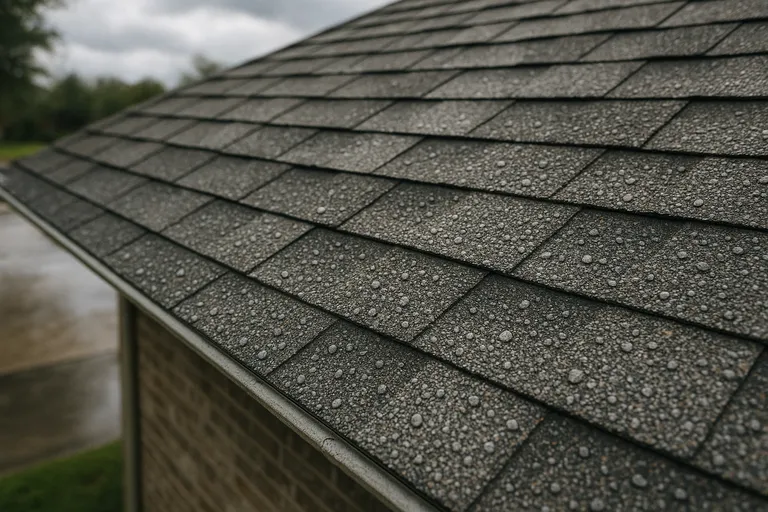
What cold does to asphalt shingles
Asphalt shingles are flexible in mild weather and stiffer in the cold. The Asphalt Roofing Manufacturers Association says cold shingles can crack, or in severe cases break apart, when they are handled, and the shingle makers warn crews about it for that reason. A shingle that is already installed is not being bent, but a stiff, cold tab is less forgiving if wind catches it.
That matters in Texas because our freezes usually arrive with a cold front, and cold fronts bring wind. Older roofs, tabs that were already curling, and shingles that were never well sealed are the ones that tend to show it.
What a freeze usually does not do here
- Ice dams. These are the northern problem, where snow melts and refreezes at the roof edge. They are rare in Texas because we seldom have the snow load or the days of sustained cold that cause them.
- Destroy a healthy roof. A sound, well-installed roof is built to take Gulf Coast weather. One cold night is not the thing that ends its life. Age, heat and storms do far more over the years. Our post on how long 30-year shingles last in Texas explains the bigger picture.
What to check after a hard freeze
You can do most of this from the ground, and you should not climb onto a roof that is wet, icy or frosted.
- Loose or lifted shingles. Look along the edges and the ridge for tabs that are raised, curled or sitting crooked.
- Missing or cracked pieces. Check the yard, driveway and gutters for shingle pieces after a windy front.
- Exposed nails or flashing. Metal at chimneys, vents and valleys that looks bent or pulled up deserves a closer look.
- Inside the house. Look at the attic for damp wood or daylight, and at ceilings for new stains. Water shows up there before it shows up on the roof.
If something looks wrong, a small repair now is usually cheaper than a leak in the next rain. See our page on roof repair in Fort Bend County for what we fix and how we price it. If the roof is near the end of its life, what a new roof costs in Richmond shows what a replacement runs.
Is winter a bad time to put on a new roof?
Not necessarily, but cold does change how the job should be done. Shingle sealant strips are activated by heat, so a roof installed on a cold day may not seal down right away. The manufacturers publish their own cold-weather instructions, and the industry guidance points to hand-sealing with approved roofing cement for added wind protection in very cold weather, and to careful handling of cold shingles. Owens Corning, for example, has a separate bulletin for installs at or below 40°F.
In Fort Bend County most winter days are mild enough that this is not a big issue, and late fall through winter is often the cheapest and best-scheduled time to replace a roof. Our guide to the best time to replace a roof in Texas covers the trade-offs. If your job is scheduled for a cold stretch, ask the roofer how they handle sealing and what the plan is if the temperature drops.
Questions to ask a roofer in cold weather
- What is the lowest temperature you will install shingles in?
- Do you hand-seal in cold weather, and where?
- What happens to the job if a freeze or a front is forecast?
- Is the plan written into the estimate?
A line-item estimate answers most of these. For the checklist that works on any roofer, see how to choose a roofing company.
Put it together
A Texas freeze is usually a reason to take a look at your roof, not a reason to worry. If you are thinking about a roof replacement in Fort Bend County or west Houston, we will give you a written plan after a free inspection of your actual roof. Spring brings a different risk: see our roof check before hail season.
Common questions
Can freezing weather damage a roof?
A brief freeze rarely damages a healthy roof in Texas. Cold does make asphalt shingles stiffer and more brittle, so wind with a cold front can lift or crack tabs on an older roof.
Do roofs get ice dams in Texas?
They are rare. Ice dams need snow that melts and refreezes at the roof edge, and our winters seldom have that. Water that finds a way in is far more often a wind or age problem.
What should I check on my roof after a freeze?
From the ground, look for lifted or missing shingles and bent flashing. Inside, check the attic and ceilings for damp spots. Do not climb onto a frosty or wet roof.
Can a roof be installed in cold weather?
Yes, with care. Shingle sealant is heat-activated, so cold installs may need hand-sealing and gentle handling. Ask your roofer for their cold-weather plan in writing.