
Siding Replacement & Repair in Richmond, TX
CS Roofing Concepts repairs and replaces siding across Richmond, Rosenberg, Missouri City and Fort Bend County — fibre cement, vinyl, wood and composite. Siding is the part of the exterior that keeps humidity out of the wall cavity, so when it fails the damage happens where you cannot see it. We open up what needs opening, fix what is behind it, and close it back up properly.
Call (281) 202-4382 · Mon–Fri 8am–5pm · Sat 8am–12pm
What we handle
- Rotted trim and fascia. The most common siding call in this climate. Usually starts where a gutter has been overflowing or a joint lost its seal.
- Storm and impact damage. Cracked or punched panels after hail, and wind-lifted sections that no longer lock.
- Partial replacement. One elevation, one wall, or the sections at ground level that take the most abuse.
- Full re-side. When the material has reached the end of its life across the house rather than in patches.
- Underlying repair. Damaged sheathing, failed house wrap and soft framing get dealt with while the wall is open, not covered over.
The signs worth acting on
Siding rarely fails dramatically. It goes slowly, and by the time it is obvious from the driveway the wall behind it has usually been wet for a while. What we look for, and what you can look for yourself:
- Paint that bubbles or peels in one specific area rather than evenly across the elevation. Uniform fading is age. A localised patch is moisture coming from behind.
- Panels that feel soft when you press a thumb into them, particularly on the lower courses and around window corners.
- Gaps opening at butt joints and at the trim. Sealant has a service life measured in years, not decades, and the joints are where water gets its first opportunity.
- Anything growing on the north and east elevations. Persistent mildew and algae mean the wall is staying wet longer than it should.
- Wasps, ants or a musty smell inside the adjacent room. Both are signs of a cavity that is no longer sealed.
- Vertical staining below a window. Almost always a flashing or sill problem rather than a siding problem, and worth catching early because the framing under a window is expensive to replace.
Materials, honestly compared
| Fibre cement | Handles heat and humidity well, holds paint, resists impact. Heavier and more labour to install, which is reflected in the price. The usual recommendation here. |
|---|---|
| Vinyl | Lowest cost and no painting. Can warp under sustained heat and cracks on impact in cold snaps. Reasonable choice on the right house and budget. |
| Wood | Best appearance, most maintenance. In Gulf Coast humidity it needs a genuine repainting schedule or it will not last. |
| Composite | Wood appearance with better moisture behaviour. Middle of the range on cost. |
What is behind the panel matters more than the panel
A wall assembly on a Gulf Coast house is a system, and siding is only the outermost layer of it. Behind the panel there should be a weather-resistive barrier — house wrap or felt — lapped so that water running down it is always directed outward. Behind that is the sheathing, then the framing and the insulation. Water that gets past the siding is supposed to hit the barrier and leave. Trouble starts when the barrier was lapped the wrong way, torn during the original build, or terminated badly at a window.
The three details that cause most of the failures we open up around here are window and door flashing that was never integrated with the wrap, kick-out flashing missing where a roof edge meets a wall, and sealant used as a substitute for a proper lap. That last one is the most common. Sealant is a supplement to flashing, not a replacement for it, and when a wall depends on caulk to stay dry it has a countdown on it.
When we open a wall we take photographs of what is behind it before we close it back up, so you can see what you paid for rather than taking our word for it.
How the job actually runs
- Inspection. We walk the whole exterior, probe the suspect areas, and check the inside of the adjacent rooms for staining or soft drywall.
- Scope and number. Line-item, with a stated rate for sheathing replacement so you know in advance what happens if we find rot rather than being surprised by it.
- Tear-off, one elevation at a time. The house is never left open overnight on a wall we have not closed or protected.
- Repair and re-wrap. Damaged sheathing out, new barrier lapped correctly, flashing integrated at windows, doors and roof-to-wall transitions.
- Install. Correct fastener spacing and the expansion gaps the material calls for. Fibre cement and vinyl both fail early when they are nailed as if they do not move.
- Finish and clean-up. Paint where the material needs it, sealant at the joints that are supposed to be sealed, and a magnet run over the beds and lawn.
What moves the price
Square footage of wall is only the starting point. The things that actually change a siding number are how many storeys the house is and what access looks like, how much trim and how many corners there are, whether the old material has to come off or can be covered, how much sheathing turns out to be soft once the wall is open, and whether the job includes painting. Two houses with identical square footage can be a long way apart on all of those, which is why we measure on site rather than quoting per square foot over the phone.
Common Questions
Can you replace just one section of siding?
Yes. Partial replacement is common and often the right call. The honest caveat is that matching aged siding exactly is not always possible — we will tell you up front how close a match we expect to get.
How do I know if there is damage behind the siding?
Soft spots when you press, staining or bubbling paint, a musty smell inside the adjacent room, or panels that have started to bow. We can open a small area to check rather than guessing.
Do you paint after siding work?
Yes, on materials that need it. Fibre cement and wood get finished properly rather than left primed.
Can siding and roofing be done together?
Yes, and it is usually more efficient. Same crew, same access equipment, one schedule to manage, and the transitions between roof and wall get detailed correctly because the same people are doing both.
How long does a re-side take?
A single elevation is often a day or two. A whole house typically runs into a week or more depending on size, storeys and how much repair we find behind it. Rain moves it, because we will not close a wall over wet sheathing.
Can you side over the existing material instead of tearing it off?
Sometimes it is physically possible, and we still usually advise against it. Covering hides whatever moisture problem is already in the wall and makes the next repair worse. If we do recommend it, we will explain exactly why in your case.
Will my HOA need to approve the colour?
In most of the master-planned neighborhoods around here, yes. Bring us the approved list and we will quote to something on it.
Recent Work Around Fort Bend County
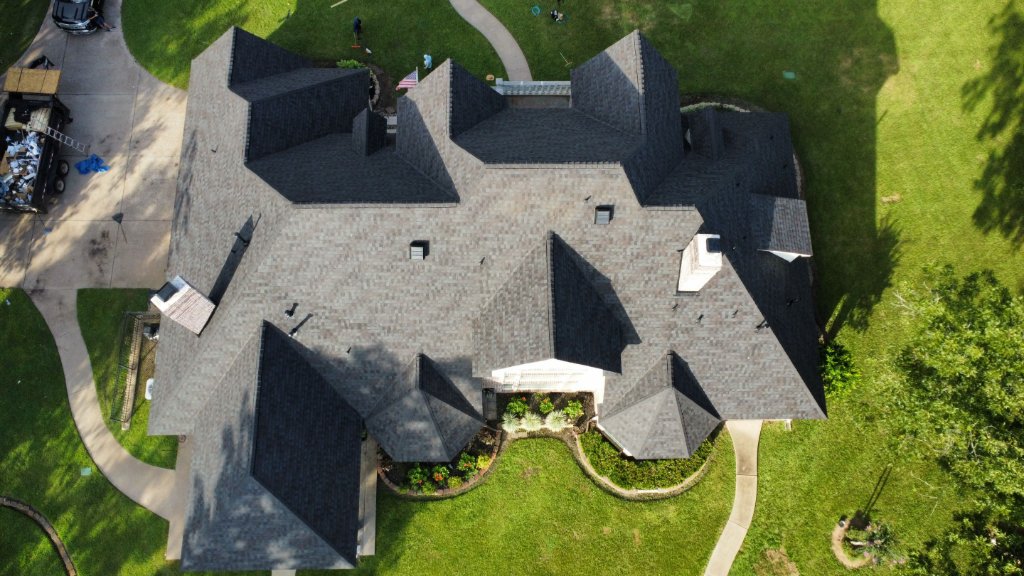
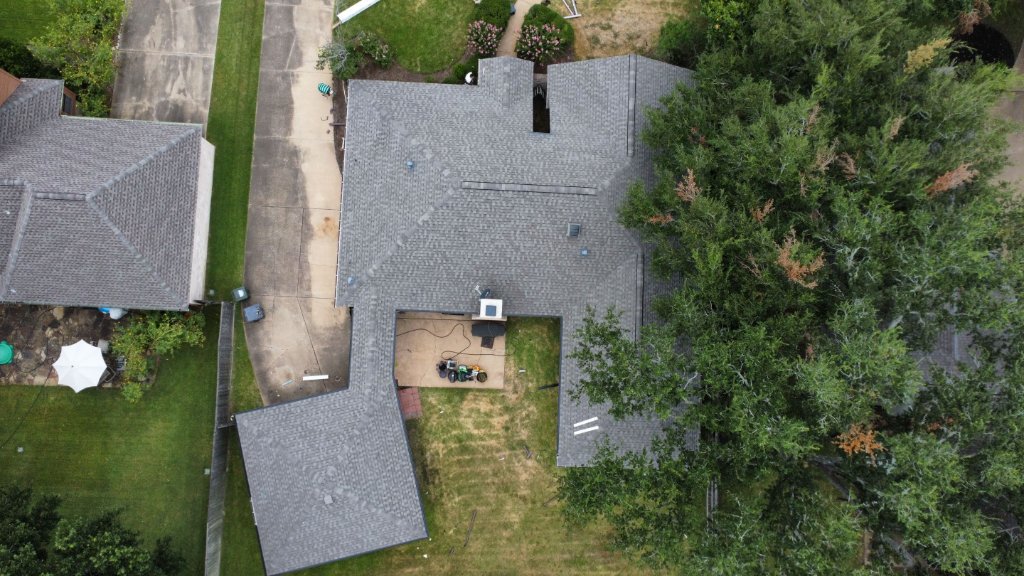
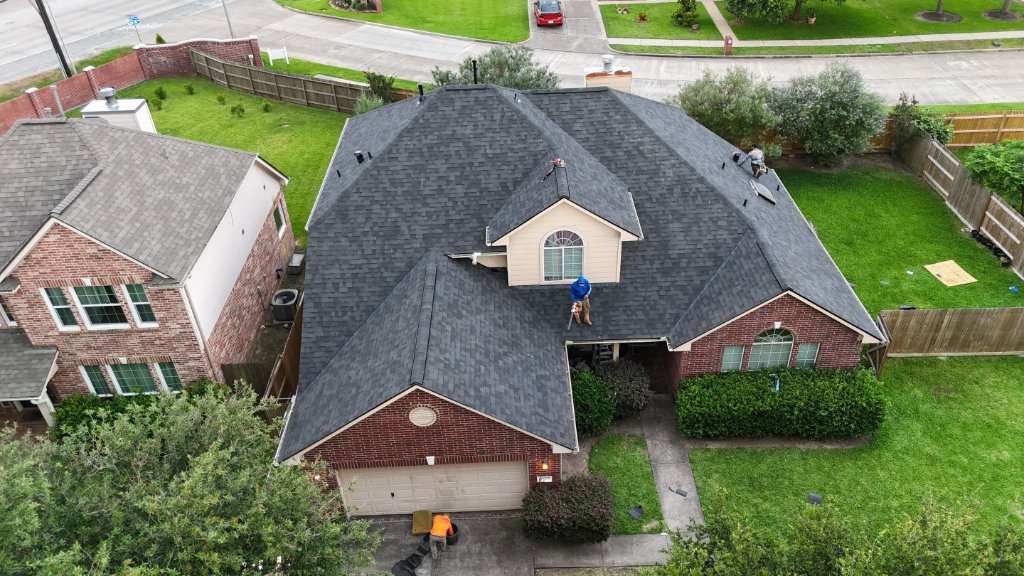
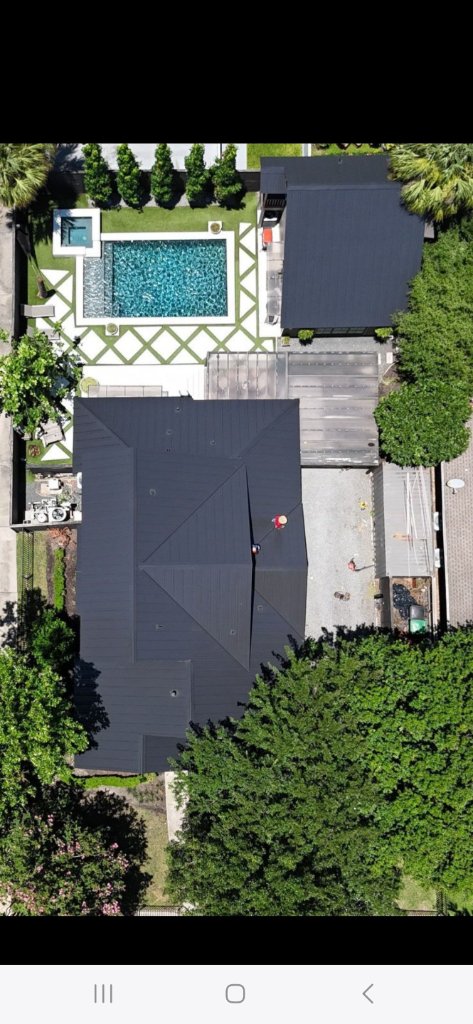
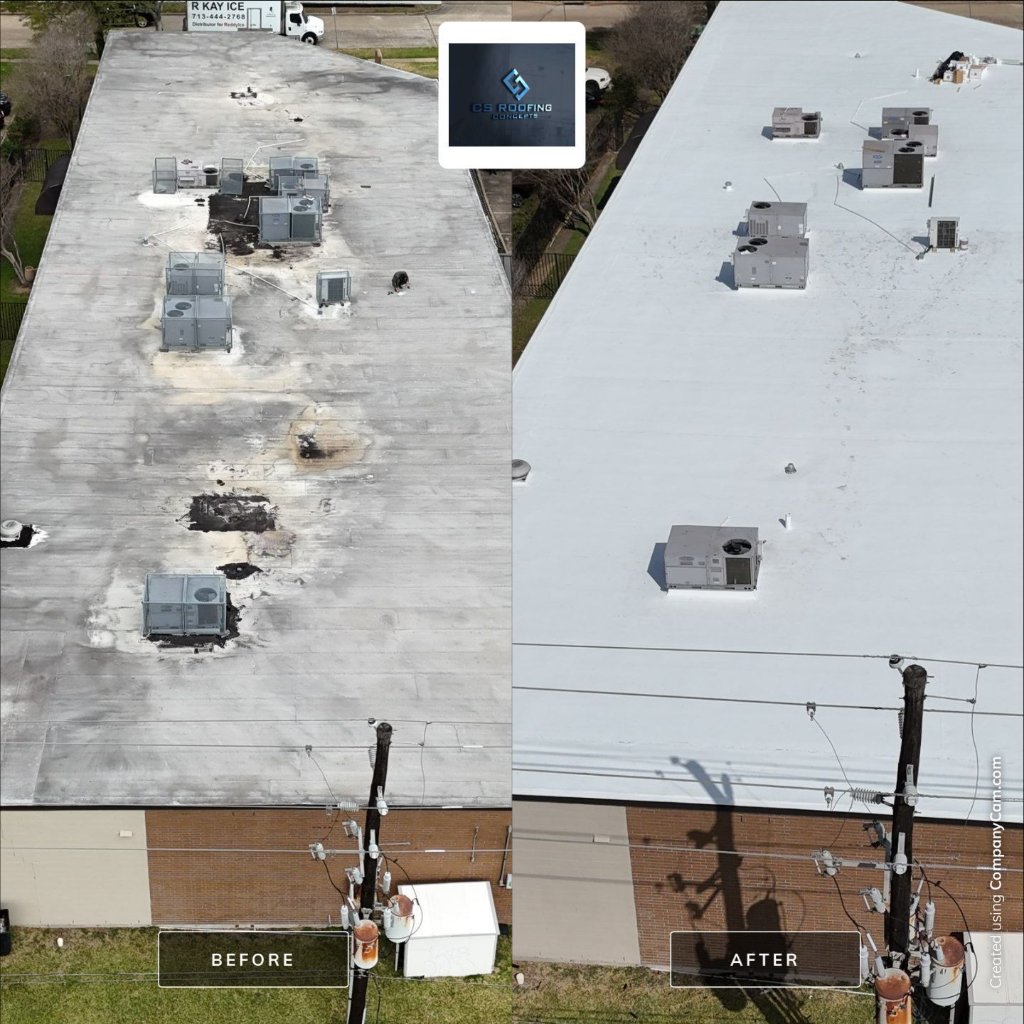
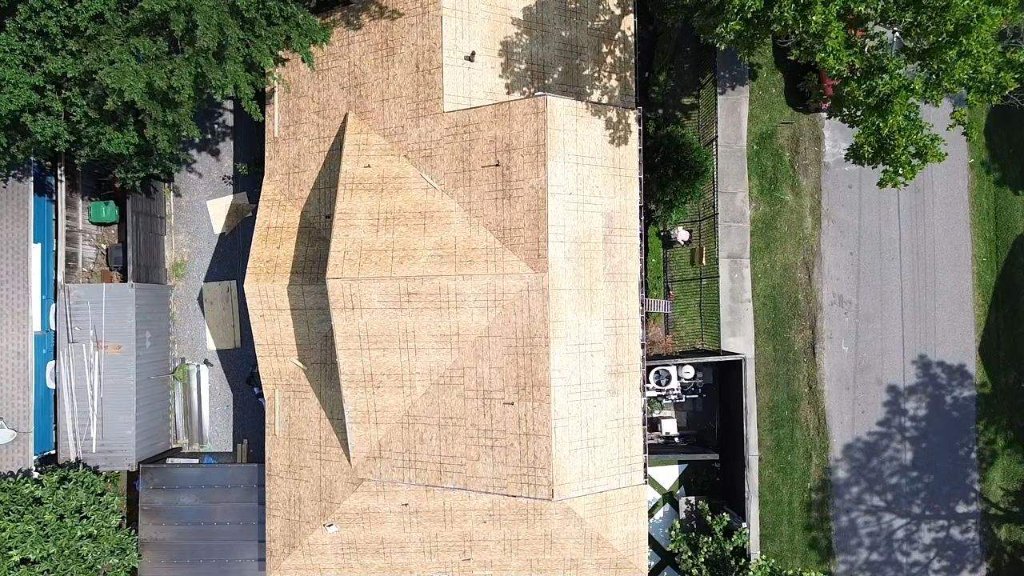
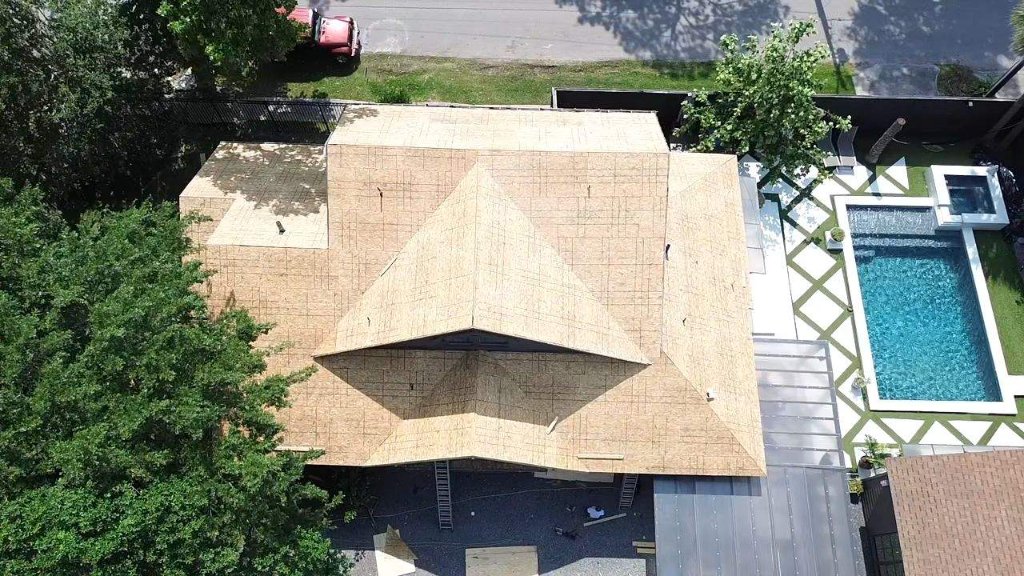
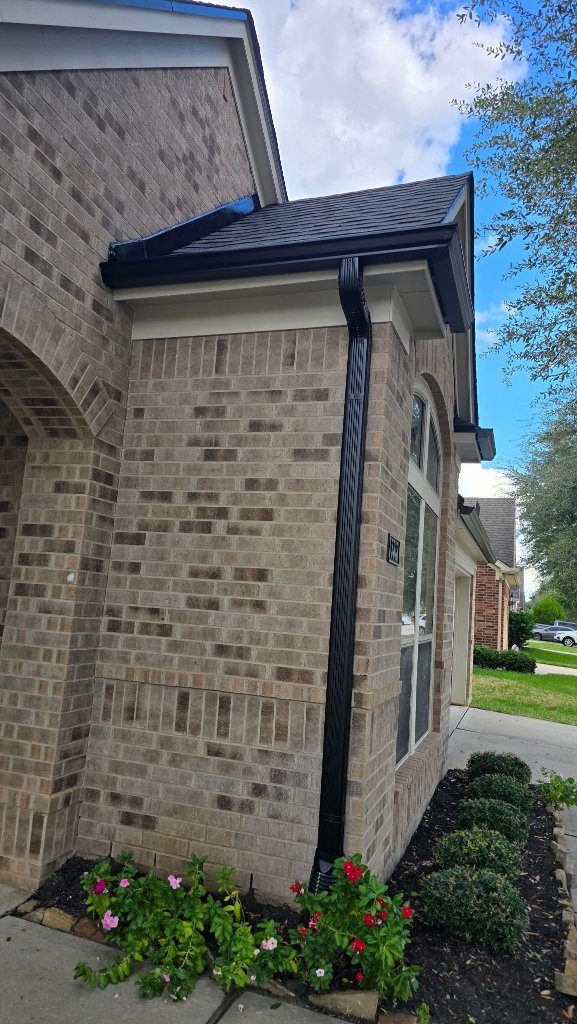
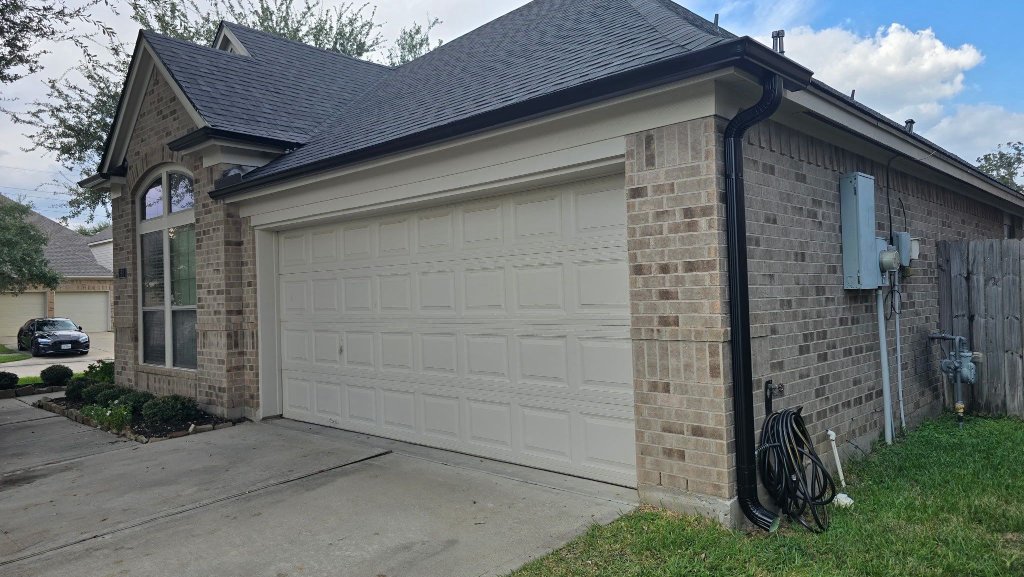
Real roofs on real houses, photographed on the job. Nothing here is a stock image.
Also need the roof? See roof replacement. Water running down the wall? Start with gutters.
Free Siding Estimate
We look at what is behind the panel, not just the panel.
Call (281) 202-4382 Request an estimate
Mon–Fri 8am–5pm · Sat 8am–12pm
Get a Siding Quote
Free inspection and a written, line-item price.
Or call (281) 202-4382 · Mon–Fri 8am–5pm · Sat 8am–12pm